


When selecting a bolt fastener for industrial or commercial applications,buyers often face a common question:should they use metric Bolts or imperial Bolts?Although both serve the same fastening purpose,the choice can directly affect compatibility,sourcing efficiency,and long-term performance.
Metric bolts are measured in millimeters and follow internationally recognized ISO or DIN standards.This system is widely adopted across Europe,Asia,and most global manufacturing markets.Because of this standardization,metric metal bolt sizes and strength grades are easier to identify,making them a preferred option for industrial bolts used in machinery,automotive production,and construction projects.For foreign trade buyers,metric bolts also offer better availability and shorter lead times,as most global manufacturers focus on metric production.
Imperial bolts,on the other hand,are measured in inches and are mainly used in the United States and regions that rely on legacy systems.These bolt fastener standards are common in older equipment,maintenance projects,and certain construction applications.While imperial bolts remain essential in these markets,sourcing them internationally can sometimes be more challenging due to limited stock and higher minimum order requirements.
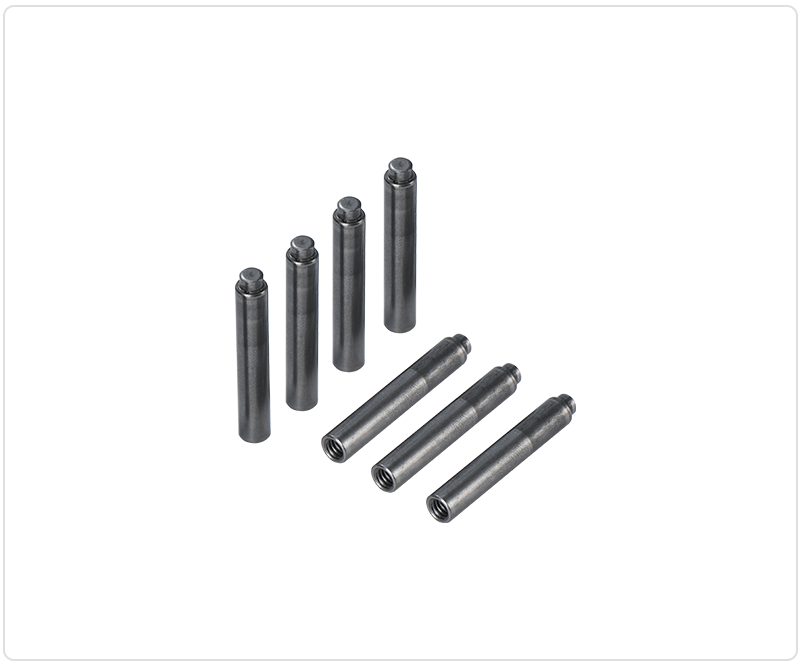
From a performance perspective,both systems can deliver reliable fastening when used correctly.The key is consistency.Mixing metric and imperial industrial bolts in the same assembly can cause thread damage,reduced holding strength,or installation failures.For new product designs,metric bolts are usually the safer and more future-proof choice,especially when planning global distribution.
Material and surface treatment options are similar in both systems.Whether it is carbon steel,stainless steel,or aluminum,each metal bolt can be finished with zinc plating or other corrosion-resistant coatings to meet environmental requirements.Many buyers also prefer standard boltsy configurations to simplify inventory and reduce procurement risks.
In conclusion,metric bolts are ideal for global manufacturing and modern industrial applications,while imperial bolts remain suitable for region-specific or legacy systems.Understanding these differences helps buyers choose the right fastening solution,control costs,and ensure long-term reliability in their projects.
