


How do you choose the right hexagonal stud for industrial machinery?
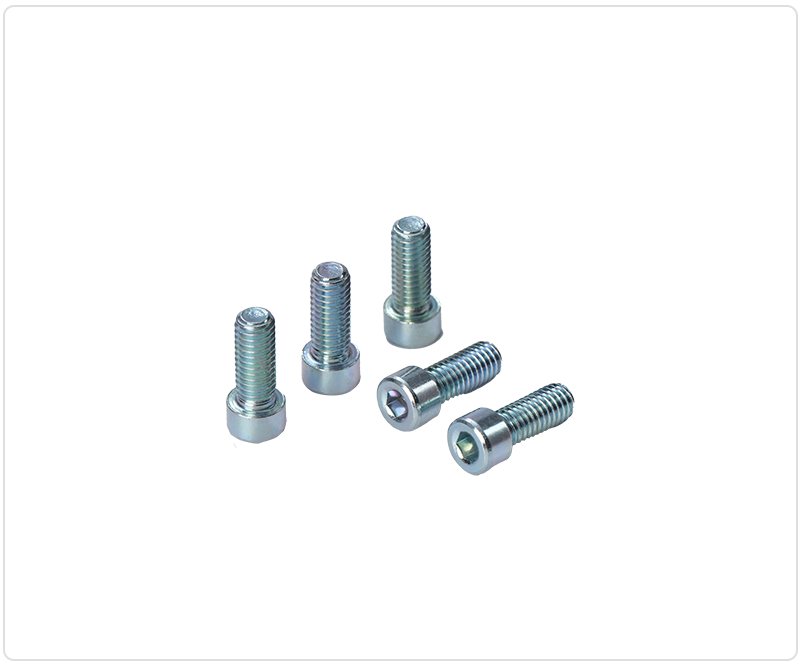
Hexagonal Studs are critical Fastening Components widely used in industrial machinery, automotive systems, heavy equipment, and CNC assemblies. Unlike standard Bolts, Hexagonal Studs are designed for high-load, high-vibration environments where mechanical stability is essential.
Choosing the wrong stud can lead to equipment failure, thread damage, or structural instability. Therefore, selecting the correct hexagonal stud requires a technical understanding of mechanical load, material grade, and application conditions.
1. Understand mechanical load requirements
The first and most important factor is the mechanical load. Industrial machinery often operates under dynamic conditions, including vibration, torque, and cyclic stress.
Key load considerations include:
Tensile strength (MPa level resistance to pulling force)
Shear strength (resistance to lateral force)
Fatigue resistance (long-term cyclic loading performance)
For heavy machinery, hexagonal studs typically need tensile strength above 800–1200 MPa depending on application severity.
2. Material selection and steel grades
Material selection directly determines performance and durability. Common industrial materials include:
Carbon steel (Grade 4.8 / 8.8): General machinery applications with moderate load
Alloy steel (10.9 / 12.9): High-strength applications such as engines and CNC equipment
Stainless steel (A2 / A4): Corrosion-resistant environments such as marine or chemical industry
Alloy steel grades such as 42CrMo and SCM435 are commonly used for high-performance hexagonal studs due to excellent strength-to-weight ratio.
3. Standard systems and compatibility
Hexagonal studs must comply with international standards to ensure compatibility and interchangeability.
Common standards include:
DIN 939 / DIN 976 (European standard studs)
ISO metric thread system
ANSI/ASME standards for US applications
Using standardized studs ensures proper fit and reduces assembly risk in multi-component systems.
4. Size, thread, and tolerance accuracy
Incorrect sizing is one of the most common causes of mechanical failure. Engineers must consider:
Diameter (M6, M8, M10, etc.)
Length based on joint thickness
Thread pitch (coarse or fine thread)
Tolerance class (ensures precision fit in machining assemblies)
5. Surface treatment and environmental resistance
Surface finishing affects corrosion resistance and service life:
Zinc plating: general anti-corrosion protection
Black oxide: improved wear resistance
Phosphate coating: enhanced lubrication and assembly performance
For outdoor or humid environments, stainless steel or coated alloy steel is strongly recommended.
6. Failure risks caused by incorrect selection
Improper hexagonal stud selection can lead to serious issues such as:
Thread stripping due to incorrect material grade
Fracture under high vibration load
Corrosion failure in harsh environments
Assembly misalignment due to wrong tolerance
Conclusion
Selecting the right hexagonal stud requires balancing mechanical load, material grade, standard compliance, and environmental conditions. Engineering-grade selection ensures long-term reliability and safety of machinery systems.
Request a quotation
If you are unsure which hexagonal stud is suitable for your machinery, please contact us with your technical requirements. Our engineering team can provide selection guidance and fast quotation support.
