


In industrial manufacturing,construction,and mechanical assembly,fasteners are everywhere.Among them,Bolts,screws,and nuts are often mentioned together,yet many buyers—especially first-time purchasers or sourcing managers—still confuse their exact roles.Understanding the difference between these fasteners is essential for choosing the right solution,ensuring safety,and controlling long-term maintenance costs.
A bolt fastener is typically designed to work together with a nut.The bolt itself is a metal bolt with an external thread and usually a hex head or similar drive style.During installation,the bolt passes through aligned holes in the connected parts,and a nut is tightened onto the threaded end.This combination creates a strong and secure joint,especially suitable for applications that require frequent disassembly or high load-bearing capacity.Because of this structure,industrial Bolts are widely used in machinery frames,steel structures,automotive components,and heavy equipment.
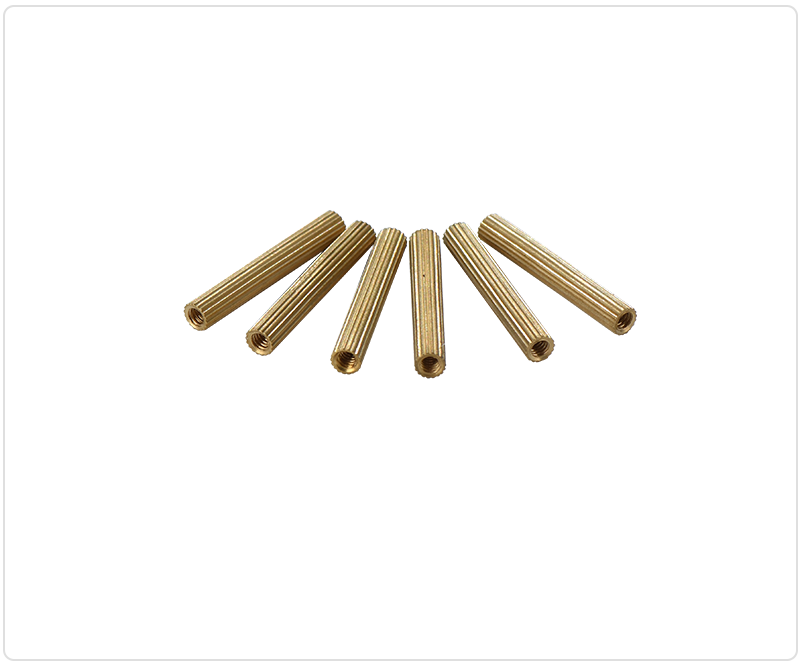
Screws,on the other hand,function differently.Unlike bolts,screws are usually driven directly into a material such as metal,plastic,or wood.The thread of a screw is designed to cut or form threads in the material itself.In many cases,no nut is required.This makes screws ideal for lighter assemblies or situations where only one side of the workpiece is accessible.However,compared with a bolt fastener system,screws generally offer lower clamping force and are less suitable for heavy industrial loads.
Nuts are internally threaded fasteners that work in combination with bolts.A nut alone cannot create a fastening joint;it must be paired with a compatible metal bolt.Nuts distribute load,improve joint stability,and allow precise torque control during assembly.In industrial environments,different nut types—such as Hex Nuts,Lock Nuts,or flange nuts—are selected based on vibration resistance,load requirements,and safety standards.Without the correct nut,even high-quality standard bolts cannot achieve optimal performance.
One of the most important distinctions between bolts and screws lies in how the clamping force is generated.With bolts,the tightening torque is applied to the nut,stretching the bolt and creating preload across the joint.This preload is what holds the components together securely.Screws rely on thread engagement within the base material,which can be less predictable,especially when dealing with softer metals or plastics.For this reason,industrial bolts are often preferred in precision assemblies where joint integrity is critical.
Material choice also highlights the differences between these fasteners.A metal bolt used in industrial environments is commonly manufactured from carbon steel,alloy steel,or stainless steel,depending on strength and corrosion resistance requirements.Screws may use similar materials but are often optimized for self-tapping or thread-forming capabilities.Nuts must match the bolt material and grade to avoid thread stripping or galvanic corrosion.When sourcing standard bolts,buyers typically look for consistent material certification to ensure compatibility with corresponding nuts.
In terms of reusability,bolt-and-nut assemblies clearly stand out.Because the threads are not cut into the base material,the joint can be assembled and disassembled multiple times without damaging the components.This is a major advantage in industrial maintenance,equipment upgrades,and modular design.Screws,especially self-tapping types,may lose holding strength after repeated removal.This is another reason why industrial bolts remain the first choice for heavy-duty and long-term applications.
From a global sourcing perspective,understanding these differences helps buyers communicate more clearly with suppliers.Many overseas manufacturers specialize in standard bolts and bolt fastener systems rather than screws.When a buyer mistakenly requests“screws”instead of bolts,it can lead to incorrect quotations,production delays,or even project failure.Clear terminology ensures that the correct industrial bolts,nuts,and related hardware are delivered on time.
Ultimately,bolts,screws,and nuts each serve a specific purpose.Screws offer convenience and speed,nuts provide stability and load distribution,and bolts act as the core structural fastener.For applications involving high stress,safety requirements,or repeated assembly,a bolt fastener system using high-quality metal bolts and compatible nuts is usually the most reliable solution.Understanding these differences is the first step toward selecting the right fastener for any industrial project.
