


When it comes to reliable fastening in sheet metal and structural assemblies,preventing pull-out failures is essential.Countersunk Rivet Nut provides a strong threaded connection,but incorrect installation or material mismatch can lead to unexpected issues.Understanding the root causes can help you maximize strength and durability.
One of the most common reasons for Rivet Nut pull-out is using the wrong type for the material thickness.For thin metals,a Flat Head Rivet Nut or Countersunk Nut is often preferable because it distributes load more evenly across the surface.This reduces stress concentration and prevents the nut from being pulled through under tension.
Proper installation is equally important.Always use the correct tool and follow manufacturer torque specifications.Over-tightening can deform the sheet metal,while under-tightening can lead to a loose connection.Additionally,ensuring the hole is clean,properly sized,and free of burrs is critical for a secure fit.
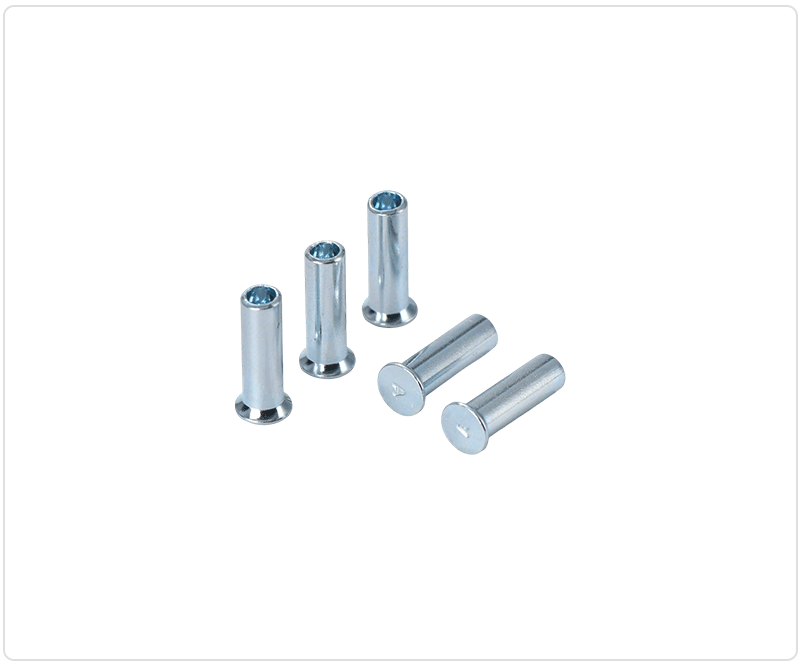
Material selection also plays a key role.High-strength Countersunk Rivet Nut made from stainless steel or aluminum provides resistance against shear forces and corrosion,ensuring a longer lifespan.In applications requiring frequent assembly and disassembly,choosing a Rivet Nut with a compatible thread-locking feature can prevent loosening.
Finally,for high-load or vibration-prone environments,consider using Flat Head Rivet Nut designs that provide a flush surface and enhanced load distribution.Combining the right type,proper installation,and material selection ensures that your fasteners remain secure and functional over time.
By following these best practices,you can avoid pull-out failures and improve the reliability of your assembly.Whether you are working in automotive,electronics,or industrial applications,the correct Countersunk Nut ensures safety and performance while minimizing maintenance costs.
