


hex studs and round studs are widely used Fastening Components in industrial manufacturing,electronics,automotive systems,and mechanical assembly.Although both are designed to connect and secure parts,their structures,installation methods,and applications are quite different.
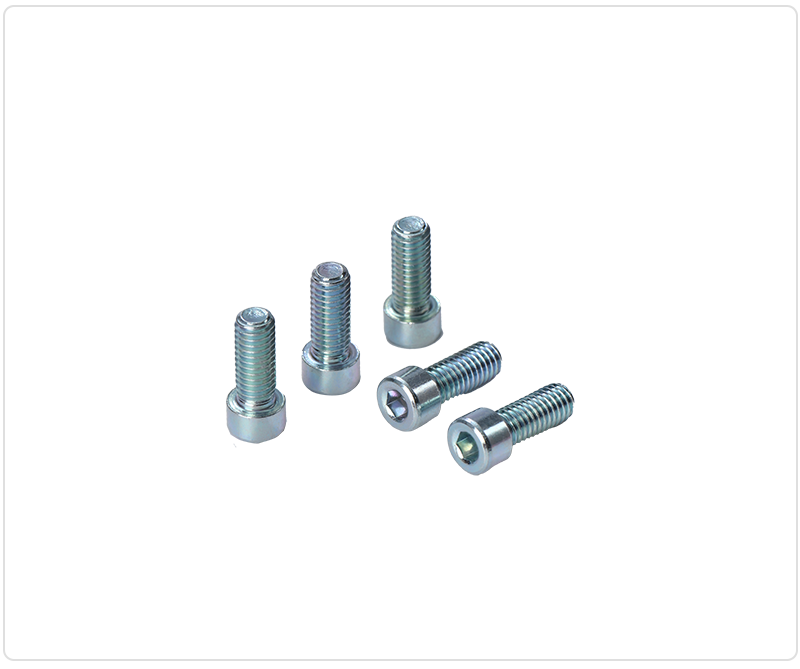
Hex studs feature a hexagonal body that allows users to tighten or remove them easily with tools such as wrenches.Because of their strong torque resistance and stable fastening performance,hex studs are commonly used in precision equipment,communication devices,and industrial machinery.Many manufacturers also combine hex studs with Hex Socket Head Cap Screws to improve assembly stability and ensure stronger mechanical connections in compact structures.
Round studs have a smooth cylindrical shape without flat sides.These threaded studs are often selected for applications with limited installation space or lightweight assembly requirements.Compared with hex studs,round studs are usually simpler in appearance and are commonly used in decorative hardware,electronic accessories,and compact fastening systems.
Material selection is another important factor when choosing fastening components.Brass studs are especially popular because of their excellent corrosion resistance,electrical conductivity,and machining performance.In electronic products and precision assemblies,brass materials help improve durability and long-term reliability.
When selecting between hex studs and round threaded studs,manufacturers should consider assembly space,tightening requirements,maintenance convenience,and product strength.Hex studs are generally better for applications requiring higher torque and repeated installation,while round studs are more suitable for compact and lightweight designs.
As industrial products continue to demand higher precision,choosing the right fastening components can significantly improve product quality,assembly efficiency,and overall equipment performance.
