


What specifications should you check before ordering Hexagonal Studs?
Before ordering Hexagonal Studs, it is essential to evaluate all technical specifications to ensure compatibility, performance, and long-term reliability in industrial applications.
Incorrect specification selection is one of the leading causes of assembly failure in mechanical systems.
1. Thread type and standard system
Thread compatibility is critical for installation. Common systems include:
Metric ISO threads (M series)
Unified National Thread (UNC/UNF)
DIN standard threads for European machinery
Incorrect thread selection can result in assembly failure or damage to mating components.
2. Dimensional specifications
Key dimensions include diameter, length, and engagement depth. Engineers must ensure that stud length matches joint thickness and load distribution requirements.
3. Material selection and mechanical performance
Material directly affects strength and durability:
Carbon steel: general applications
Alloy steel: high-strength machinery systems
Stainless steel: corrosion-resistant environments
High-strength applications often require grades such as 8.8, 10.9, or 12.9.
4. Strength grade and load rating
Strength grade determines how much load the stud can withstand. Higher grades are necessary for vibration-heavy or high-stress environments such as engines and industrial presses.
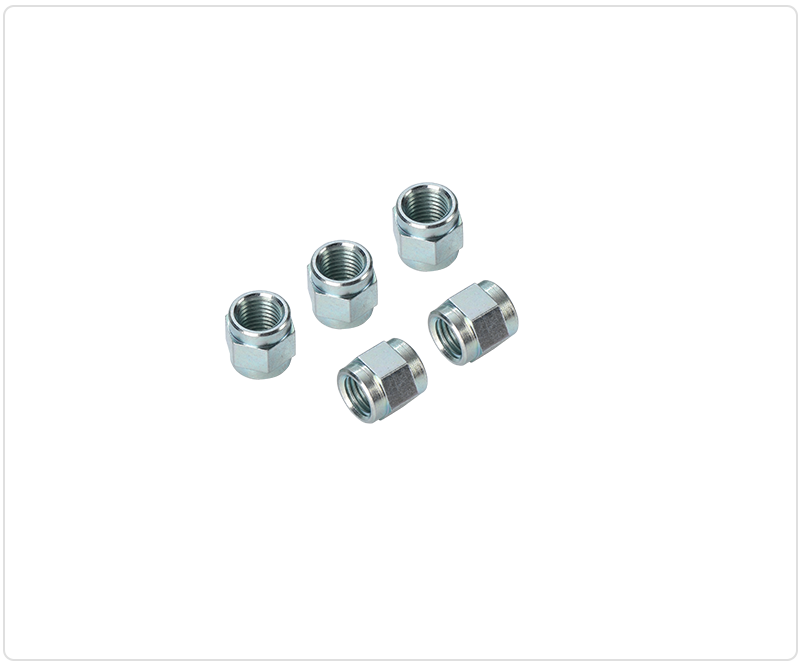
5. Surface treatment and corrosion protection
Surface coatings improve performance in harsh environments:
Zinc plating for general protection
Black oxide for wear resistance
Hot-dip galvanizing for outdoor use
6. Environmental operating conditions
Temperature, humidity, and chemical exposure must be considered before selecting Hexagonal Studs. Harsh environments require corrosion-resistant materials and coatings.
7. Precision and tolerance requirements
High-precision applications require tight tolerance control to ensure proper fit and alignment in mechanical assemblies.
8. Common ordering mistakes
Typical errors include:
Wrong thread specification
Incorrect material selection
Ignoring load conditions
Underestimating vibration impact
Conclusion
Careful evaluation of specifications before ordering hexagonal studs ensures mechanical reliability and reduces production risks.
Request a quotation
If you are unsure about specifications, please contact us with your application details. Our engineering team can assist in selecting the correct configuration.
