


What Materials Are Used for Socket Shoulder Screws?
Choosing the right material is one of the most important decisions when selecting a socket shoulder screw. The material directly affects strength, wear resistance, corrosion protection, load capacity, and service life. Whether you are designing automation equipment, robotic systems, molds, or precision machinery, understanding the available material options helps ensure reliable performance while reducing maintenance costs.
Many buyers compare a Socket Head Shoulder Screw, hex head shoulder bolt, and hex shoulder bolt based on dimensions or price. However, material selection is equally important because the same fastener can perform very differently depending on the operating environment. This guide explains the most common materials, their advantages, and how to choose the best option for your application.
Quick Answer
Most socket shoulder screw products are manufactured from carbon steel, alloy steel, or stainless steel. Carbon steel offers an economical solution for general machinery, alloy steel provides superior strength for heavy-duty applications, while stainless steel delivers excellent corrosion resistance in humid or chemically aggressive environments. Selecting the correct material depends on load requirements, operating conditions, wear resistance, and budget.
Why Material Selection Matters
A shoulder screw is more than a standard fastener. The smooth shoulder often serves as a bearing surface, guide shaft, pivot, or locating pin. During operation, this precision section experiences continuous friction and repeated movement. Poor material selection can lead to premature wear, inaccurate positioning, equipment downtime, and increased replacement costs. Professional manufacturers carefully match materials to specific applications, ensuring every Socket Head Shoulder Screw delivers the required mechanical performance and long service life.
Common Materials Used for Socket Shoulder Screws
1. Carbon Steel
Carbon steel is one of the most widely used materials for manufacturing socket shoulder screw products. It offers an excellent balance between strength, machinability, and cost, making it suitable for large-volume industrial production.
Advantages:
Cost-effective
Good mechanical strength
Easy to machine
Suitable for heat treatment
Typical Applications:
General industrial machinery
Mechanical equipment
Production fixtures
Packaging machines
To improve corrosion resistance, carbon steel shoulder screws are often zinc plated or black oxidized.
2. Alloy Steel
Alloy steel is commonly selected for heavy-duty socket head shoulder screw applications that require high tensile strength and outstanding wear resistance. After heat treatment, alloy steel provides excellent durability even under high loads and continuous movement.
Advantages:
High strength
Excellent fatigue resistance
Superior wear resistance
Long service life
Typical Applications:
Automation equipment
Robotic systems
CNC machining centers
Heavy-duty machinery
Industrial production lines
Many high-performance hex head shoulder bolt products are also manufactured from hardened alloy steel to improve load capacity and reliability.
3. Stainless Steel
Stainless steel is the preferred choice when corrosion resistance is a priority. Grades such as 304 and 316 stainless steel offer excellent protection against moisture, chemicals, and harsh outdoor environments.
Advantages:
Excellent corrosion resistance
Low maintenance
Clean appearance
Suitable for hygienic environments
Typical Applications:
Food processing equipment
Medical devices
Marine applications
Chemical processing equipment
Although stainless steel is generally more expensive than carbon steel, its durability often reduces maintenance costs over the long term.
Surface Treatments That Improve Performance
In addition to selecting the correct material, manufacturers apply various surface treatments to improve the performance of a socket shoulder screw.
Zinc plating for corrosion resistance
Black oxide for wear protection
Nickel plating for decorative appearance and durability
Chrome plating for improved hardness
Phosphate coating for enhanced lubrication
Surface treatment should be selected according to the operating environment and performance requirements.
How to Choose the Best Material
Selecting the right material involves evaluating several important factors rather than simply comparing prices.
| Requirement | Recommended Material |
|---|---|
| Low Cost | Carbon Steel |
| Heavy Load | Alloy Steel |
| Corrosive Environment | Stainless Steel |
| Outdoor Equipment | 316 Stainless Steel |
| Precision Machinery | Heat-Treated Alloy Steel |
Socket Shoulder Screw vs Hex Head Shoulder Bolt
Many buyers compare a socket shoulder screw with a hex head shoulder bolt. While both products can be manufactured from similar materials, the head design affects installation methods.
A socket head shoulder screw uses an internal hex socket, making it ideal for compact spaces and automated assembly lines. A hex head shoulder bolt features an external hex head that allows installation using standard wrenches, making it suitable for larger industrial equipment.
Similarly, a hex shoulder bolt is commonly selected for structural applications where ease of maintenance and high tightening torque are priorities.
Can Socket Shoulder Screws Be Customized?
Yes. Professional manufacturers offer customized socket shoulder screw solutions based on customer drawings and technical specifications. Custom options typically include:
Material selection
Shoulder diameter
Shoulder length
Thread size
Heat treatment
Surface finish
OEM packaging
Customized products help improve equipment performance while meeting the exact requirements of automation, medical, aerospace, and industrial manufacturing projects.
F&Q
What is a socket shoulder screw?
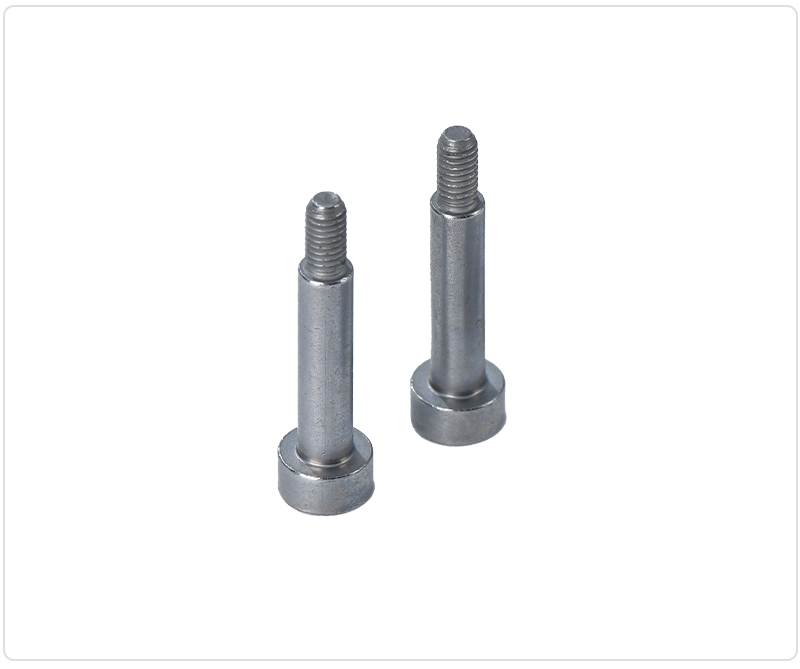
A socket shoulder screw is a precision fastener with a smooth shoulder and a threaded end. The shoulder acts as a bearing surface, pivot, or guide, making it ideal for machinery, automation equipment, and moving assemblies.
What is a socket screw?
A socket screw is a fastener with an internal hexagonal drive that is tightened using an Allen key or hex wrench. It provides high tightening torque and is commonly used in industrial and mechanical applications.
What is the socket of the shoulder?
The socket refers to the internal hex drive located in the head of a shoulder screw. It allows easy installation and removal while providing a compact design for applications with limited space.
What does a shoulder screw do?
A shoulder screw supports rotating, sliding, or pivoting components. Its smooth shoulder provides accurate alignment and reduces friction, making it suitable for bearings, pulleys, guides, and mechanical linkages.
`
