


Hexagon screws are widely used in machinery, automotive parts, furniture, bicycles, and industrial equipment because they provide strong fastening performance and reliable assembly. Normally, a hexagon screw is removed with a hex key or Allen wrench that matches the internal hexagonal socket.
However, you may sometimes need to remove a hexagon screw without having the correct tool available. In this situation, there are several temporary methods you can try. The best method depends on the screw condition, installation position, and whether the screw head is damaged.
What Is a Hexagon Screw?
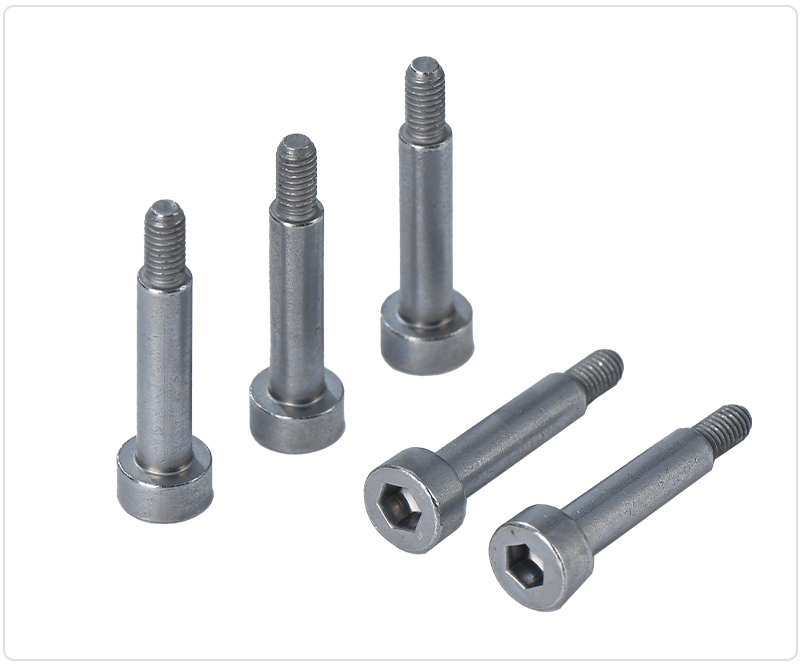
A hexagon screw is a type of fastener with a six-sided recessed drive on the screw head. It is designed to work with a hex key, allowing the tool to fit securely inside the socket and apply tightening or loosening force.
Compared with traditional slotted or Phillips screws, hexagon screws provide better torque transmission and reduce the chance of tool slipping during installation. They are commonly used in applications that require strong fastening and precise assembly.
Hexagon screws are available in different materials, sizes, and head designs, including stainless steel hex screws, alloy steel screws, and custom-made fasteners for industrial applications.
Can You Remove a Hexagon Screw Without a Tool?
Yes, it is possible to remove a hexagon screw without the correct tool in some situations, but these methods should only be considered temporary solutions.
Using an incorrect tool may damage the internal socket, making the screw more difficult to remove later. If the screw is used in important mechanical equipment or precision products, using the correct hex key is always recommended.
Method 1: Use a Flat-Head Screwdriver
A flat-head screwdriver may work as an alternative if the hexagon screw is large enough.
Insert the screwdriver diagonally into the hexagonal opening and apply steady pressure while turning the screw counterclockwise.
This method works best when:
The screw is not tightened too strongly
The hex socket is still in good condition
The screwdriver fits firmly inside the recess
Avoid using excessive force, as it may damage the edges of the screw head.
Method 2: Use Pliers to Remove the Screw
If the screw head is exposed and easy to access, pliers can sometimes be used to remove it.
Grip the outside of the screw head tightly and slowly turn it counterclockwise. Locking pliers usually provide better grip compared with standard pliers.
This method is more suitable for:
Screws with raised heads
Loose screws
Damaged hex Socket Screws
However, it is not effective for screws installed below the surface or in narrow spaces.
Method 3: Use a Torx Tool as an Alternative
A Torx tool may sometimes fit into a hexagon screw socket and provide enough grip for removal.
torx screws use a star-shaped drive design that allows better contact between the tool and screw head. Similar drive systems, such as hexalobular screws, are designed with a six-lobe star-shaped recess to improve torque transfer and reduce slipping during fastening.
Because of their reliable performance, hexalobular screws are widely used in automotive components, electronic equipment, and industrial assembly applications where consistent fastening force is required.
However, using a Torx tool that does not perfectly match the screw size may damage the drive profile, so it should only be used as a temporary method.
Method 4: Use a Rubber Band for a Damaged Screw
If the hexagon screw socket has minor damage, a rubber band can sometimes improve grip.
Place a thick rubber band between the tool and the screw recess, then apply pressure while turning slowly. The rubber material can fill small gaps and increase friction.
This method is mainly suitable for slightly worn screws and may not work for severely damaged fasteners.
Method 5: Create a New Slot in the Screw Head
For screws that cannot be removed using other methods, creating a new slot in the screw head can be a last resort.
A cutting tool can be used to create a straight groove, allowing a flat-head screwdriver to turn the screw.
This method should be used carefully because it may damage the surrounding surface and permanently modify the screw.
Why Is a Hexagon Screw Difficult to Remove?
Several factors can make a hexagon screw difficult to loosen:
Over-Tightening
Applying too much torque during installation can make the screw extremely difficult to remove.
Rust and Corrosion
Outdoor equipment and machinery exposed to moisture may develop corrosion between the screw and the threaded hole, causing the fastener to become stuck.
Damaged Screw Socket
Using the wrong size hex key or applying excessive force can round the internal socket and reduce tool engagement.
Incorrect Tool Size
A hex key that is too small may damage the screw corners, while a tool that is too large may not provide enough contact.
Hexagon Screw vs Hexalobular Screws: What Is the Difference?
Although hexagon screws and hexalobular screws may look similar, their drive designs are different.
Hexagon screws use a six-sided internal socket and require a hex key for installation. Hexalobular screws feature a six-lobe star-shaped drive system, commonly used with Torx drivers.
| Feature | Hexagon Screw | Hexalobular Screws |
|---|---|---|
| Drive design | Six-sided socket | Six-lobe star shape |
| Required tool | Hex key | Torx driver |
| Torque performance | Good | Higher torque transmission |
| Common applications | Machinery, furniture, general assembly | Automotive, electronics, precision equipment |
Due to their improved torque control and reduced risk of slipping, hexalobular screws are often selected for applications requiring reliable and repeatable fastening.
How to Prevent Hexagon Screw Damage?
To avoid screw damage during installation and removal:
Always use the correct size tool
Avoid excessive tightening torque
Choose suitable screw materials for the working environment
Replace damaged tools before use
Select the correct screw drive design for your application
For industrial manufacturing, choosing high-quality fasteners from a professional screw manufacturer can improve assembly efficiency and product reliability.
Choosing the Right Screw for Your Application
Different industries require different screw designs. Factors such as material, size, thread type, surface treatment, and drive system should be considered before selecting a fastener.
A professional manufacturer can provide Custom Screws and precision screws according to specific application requirements, helping customers achieve better performance and longer service life.
Conclusion
Removing a hexagon screw without a tool is possible in some emergency situations, but these methods should only be used temporarily. The safest solution is always to use the correct hex key designed for the screw.
For industrial applications, selecting the right fastener design is essential. Whether using standard hexagon screws or advanced solutions such as hexalobular screws, the correct screw type can improve fastening reliability, efficiency, and product performance.
