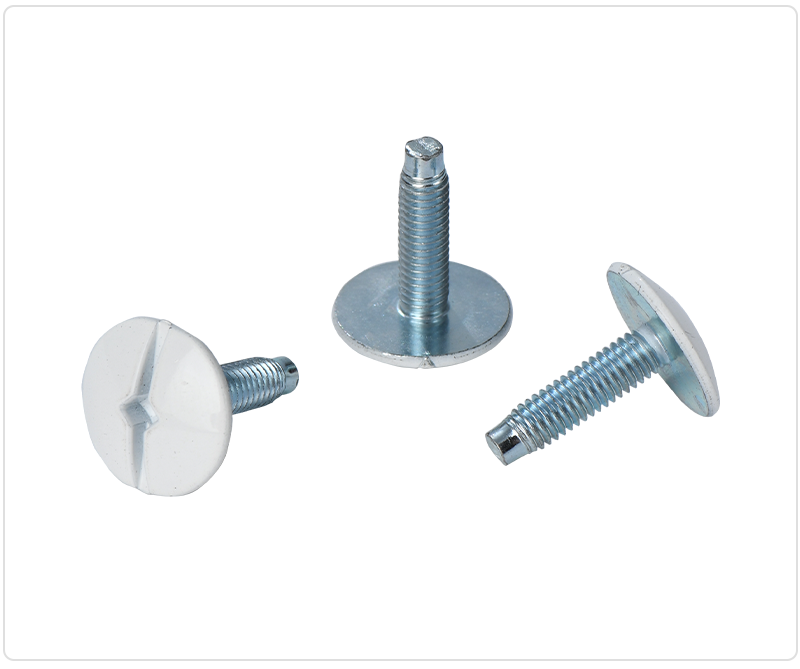
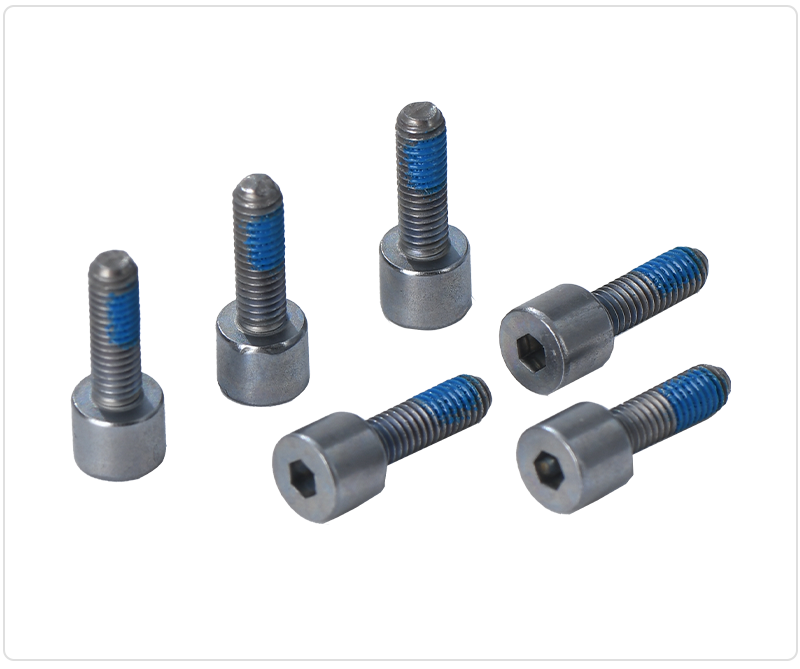
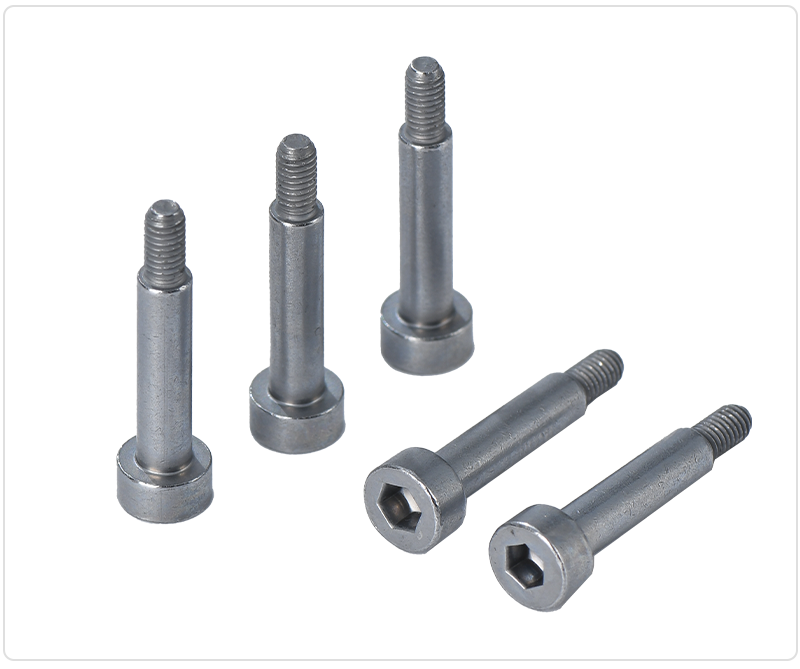
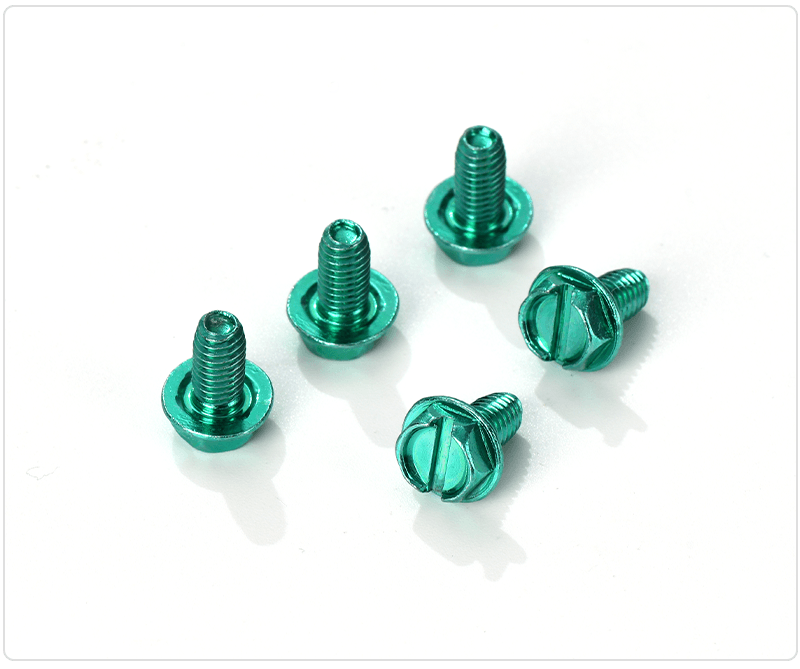
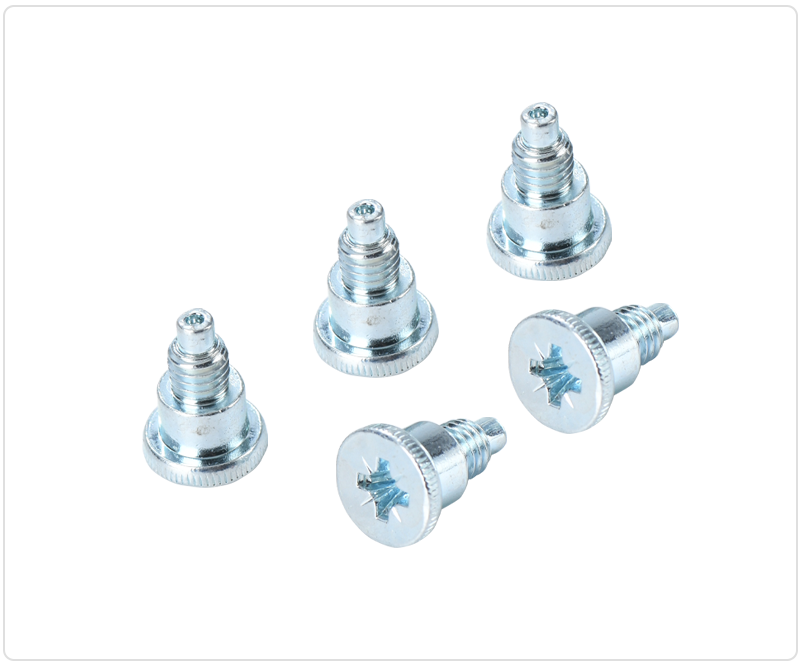
A Connector Screw is a precision fastening component designed to secure electrical connectors, terminal blocks, and wire connection systems. It provides a stable mechanical connection between conductive components by applying controlled tightening force, helping maintain reliable contact between wires and terminals.
Unlike standard screws used for general fastening, a connector screw is specifically designed for electrical connection applications. It is commonly used together with terminal blocks, PCB connectors, junction boxes, and wiring systems where secure wire fixation and long-term connection stability are required.
A screw connector uses a threaded screw mechanism to clamp electrical wires or conductive parts firmly inside the connector housing. This structure allows users to install, remove, and maintain wiring connections easily without soldering.
How Does a Connector Screw Work?
The working principle of a Connector Screw is based on mechanical clamping force.
When the screw is rotated clockwise, the threaded shaft moves downward or forward, pressing the wire conductor against a metal contact plate or terminal surface. This pressure creates a stable electrical connection by reducing contact resistance between the wire and conductive parts.
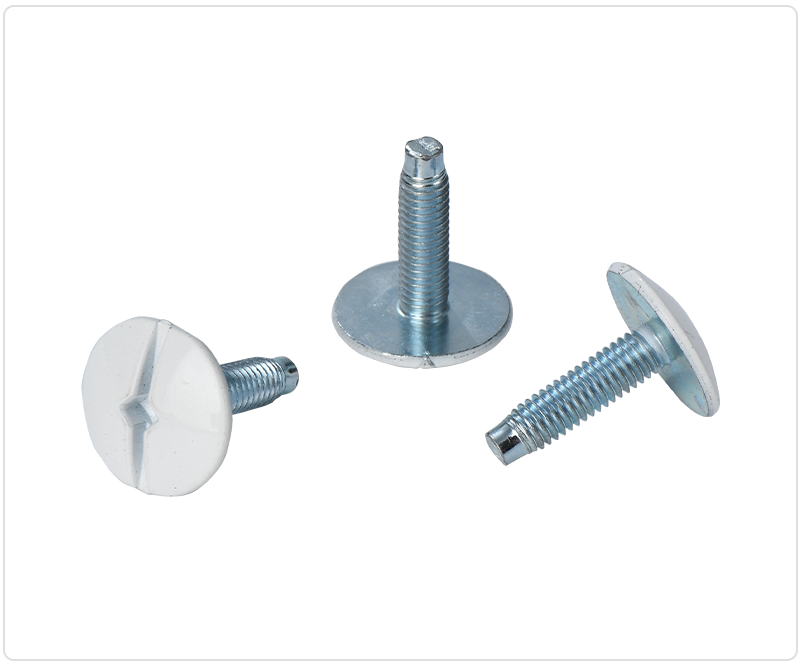
Product Structure of Connector Screw
A typical Connector Screw consists of several precision components:
1. Screw Head
The screw head provides the driving interface for installation. Common designs include:
Phillips head
Slotted head
Hex socket head
Combination head
The head design affects installation efficiency and compatibility with different tools.
2. Threaded Shaft
The threaded shaft is the main fastening section.
It provides:
Different thread specifications are selected according to connector size and application requirements.
3. Contact Clamp Plate
The clamp plate works together with the screw to hold wires securely.
It helps:
4. Surface Treatment Layer
Connector screws usually receive surface treatments to improve durability, such as:
Zinc plating
Nickel plating
Stainless steel finish
Anti-corrosion coating
The treatment selection depends on the working environment.
Connector Screw Specifications
Connector Screw specifications vary depending on connector design and application requirements.
Product Number | ALSA0110011 |
| Description | #10-32TX18.0 TM 1018 Environmentally Friendly Blue Zinc Concrete, Square + Slotted |
| Specifications | #10-32TX18.0 |
| Material | 1018 |
| Surface Treatment | 1018 Environmentally Friendly Blue Zinc Plated Connector |
| Application Industries | Connector |
F&Q
1. What is a Connector Screw used for?
A Connector Screw is designed to secure wires, terminals, and connector components through mechanical clamping force. It is commonly used in electrical connectors, terminal blocks, control panels, and industrial wiring systems to maintain stable connections.
2. What is the difference between a screw connector and a regular screw?
A regular screw is mainly used for mechanical fastening, while a screw connector is specifically designed for electrical connection applications. It works with terminal components to fix wires securely and maintain reliable electrical contact.
3. How do screw wire connectors work?
Screw wire connectors use a threaded screw mechanism to apply pressure on the wire conductor. When the screw is tightened, the wire is firmly clamped against the contact plate, creating a stable electrical and mechanical connection.
4. Can Connector Screws be customized?
Yes, Connector Screws can be customized according to customer requirements, including material, diameter, length, thread specification, head style, and surface treatment. Custom solutions are available for different connector designs and applications.
5. What materials are commonly used for Connector Screws?
Common materials for Connector Screws include stainless steel, carbon steel, and brass. The material choice depends on the application environment, mechanical requirements, conductivity needs, and corrosion resistance requirements.