


Choosing the right Lock Nut is essential for ensuring secure fastening,especially in applications exposed to vibration,load,or environmental stress.Selecting the wrong size or material can lead to loosening,corrosion,or even mechanical failure.
In this guide,we’ll walk you through how to choose the correct Lock Nut size and material based on real engineering requirements,helping you improve reliability and reduce maintenance costs.
1.Understand Lock Nut Size:More Than Just Diameter
When selecting a lock nut,size is not only about the diameter.You need to consider several key parameters:
Thread Size
The lock nut must match the bolt or screw thread size exactly(e.g.,M6,M8,M10).Even a slight mismatch can lead to improper fastening or thread damage.
Thread Pitch
Metric fasteners come with different thread pitches(coarse or fine).Always ensure the nut matches the thread pitch of the bolt.
Height and Thickness
Different types of lock nuts(such as nylon insert or all-metal lock nuts)may vary in height.Thicker nuts often provide better locking performance but may not fit in limited spaces.
If you're unsure,working with an experienced Lock Nut Manufacturer can help ensure proper sizing for your application.
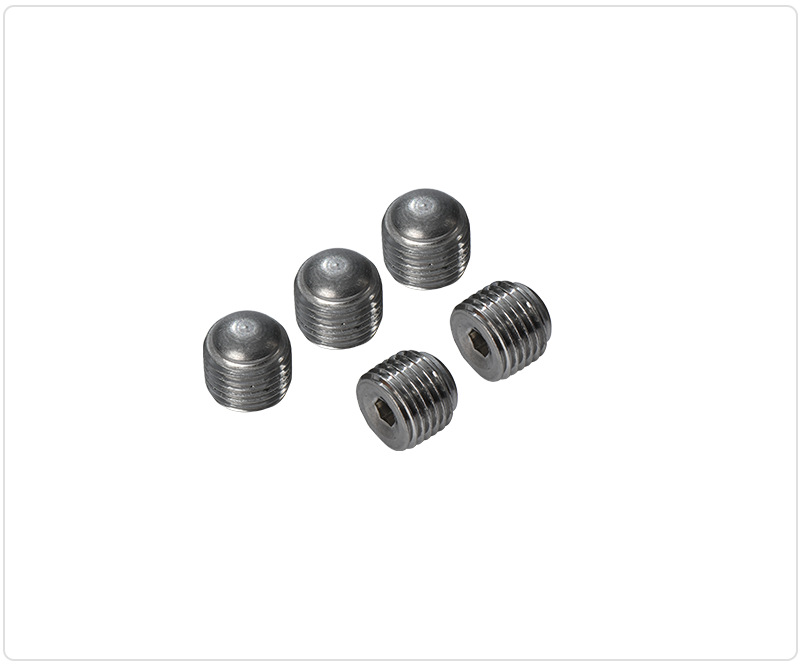
2.Choosing the Right Material for Your Application
Material selection directly affects the strength,durability,and environmental resistance of the lock nut.
Carbon Steel
High strength and cost-effective
Suitable for general industrial applications
Often used with surface coatings(zinc plated,black oxide)
Stainless Steel(304/316)
Excellent corrosion resistance
Ideal for outdoor,marine,or humid environments
Lower strength compared to high-grade carbon steel
Alloy Steel
Higher tensile strength
Suitable for high-load and high-stress applications
A reliable Lock Nut Supplier will usually offer multiple material options based on your specific needs.
3.Consider the Working Environment
The application environment plays a critical role in selecting the right lock nut:
High vibration→Choose nylon insert or prevailing torque lock nuts
High temperature→Avoid nylon insert,use all-metal lock nuts
Corrosive environment→Use stainless steel or coated lock nuts
Heavy load→Select high-strength materials(e.g.,Grade 10 or alloy steel)
Understanding these conditions helps prevent premature failure.
4.Choose the Right Locking Type
Not all lock nuts work the same way.Choosing the right type improves performance:
Nylon Insert Lock Nuts–Best for vibration resistance
All-Metal Lock Nuts–Suitable for high temperature
Flange Lock Nuts–Provide better load distribution
Jam Nuts–Used for locking against another nut
An experienced Lock Nut Factory can recommend the most suitable type based on your application.
5.Check Standards and Quality Certifications
Always ensure the lock nuts meet international standards such as:
DIN
ISO
ANSI
High-quality manufacturers perform strict quality control,including:
Torque testing
Hardness testing
Surface coating inspection
This is especially important when sourcing Wholesale Lock Nuts for large-scale industrial use.
6.Work with a Reliable Manufacturer or Supplier
Choosing the right partner is just as important as choosing the product.
A professional Lock Nut Manufacturer or Lock Nut Supplier can provide:
Technical support for selection
Customization based on drawings
Stable quality and batch consistency
Competitive pricing for Wholesale Lock Nuts
This ensures long-term reliability and reduces sourcing risks.
Selecting the right lock nut size and material is not just a technical detail—it directly impacts the safety and durability of your assembly.
By considering thread size,material properties,working environment,and locking type,you can significantly improve fastening performance and reduce failure risks.
If you are looking for a trusted Lock Nut Factory or need bulk solutions,working with an experienced Lock Nut Manufacturer and Lock Nut Supplier is the best way to ensure quality and performance.
